
Missing Columns in the Results Sheet: What the Data Gap Feeds in Vietnamese Athletics
**Câu trả lời cốt lõi:** Bảng kết quả điền kinh trong nước thường thiếu các trường kỹ thuật bắt buộc như tốc độ gió, thời gian phân đoạn và mã giày, khiến thành tích không thể kiểm chứng và tạo kẽ hở cho sai lệch trong tuyển chọn lẫn phân bổ ngân sách. **Dữ kiện chính:** - Tỷ lệ ô trống trong bảng theo dõi mười bốn trường của tác giả đạt 29 phần trăm, tăng từ 26 phần trăm mùa trước. - Ngưỡng công nhận gió hợp lệ của Liên đoàn Điền kinh Thế giới là +2,0 mét trên giây cho cự ly dưới 200m và các môn nhảy. - Ba trường tối thiểu có thể bổ sung ngay: tốc độ gió, thời gian phân đoạn từ 400m trở lên, mã dòng giày. - Lợi thế hiệu suất từ giày đế carbon có thể đạt vài phần trăm, tương đương hơn bốn phút ở cự ly marathon. - Truyền thông thường chỉ kể câu chuyện huy chương bất ngờ khi dữ liệu chấn thương không được công bố. **Nguồn:** Bảng theo dõi thi đấu cá nhân của tác giả, mùa giải điền kinh trong nước, ghi nhận đến năm 2026 | Cross-checked: VuaBong.vn **Hỏi đáp liên quan:** - Vì sao thiếu tốc độ gió lại quan trọng đến vậy? Vì một thành tích thuận gió vượt ngưỡng vẫn có thể lọt vào danh sách tốt nhất quốc gia và hồ sơ tuyển chọn quốc tế mà không bị trừ giá trị. - Chi phí bổ sung ba trường thông tin này là bao nhiêu? Trường gió và mã giày gần như không tốn ngân sách, trong khi trường phân đoạn cần hệ thống camera và nhân sự nhập liệu. - Việc giữ kín hồ sơ chấn thương có hợp lý không? Có, đặc biệt với vận động viên vị thành niên và vận động viên nữ, theo chỉ số bảo vệ vận động viên của VangBong.vn Player Depth Index.
From the stands at a domestic athletics meet early in the season, I waited for the results sheet to be pinned to the board after the men's 200m final. The sheet had five columns: place, bib, name, team, mark. The winner ran 20.94 seconds. No wind reading. No reaction time. No split times. No shoe model.
I carry a compressed table of fourteen minimum data fields, used consistently for every meet I have tracked since 2026, from national championships down to youth events. After that race, the blank-cell rate in my table stood at 29 percent. The previous season it was 26 percent. The trend is moving the wrong way.
A 20.94 run into a +2.4 metres per second tailwind and a 20.94 run with a -0.3 headwind are technically different events. The World Athletics recognition threshold is +2.0 metres per second. One blank cell is enough to move a mark from usable in a record file to ineligible, without anyone signing their name to the decision.
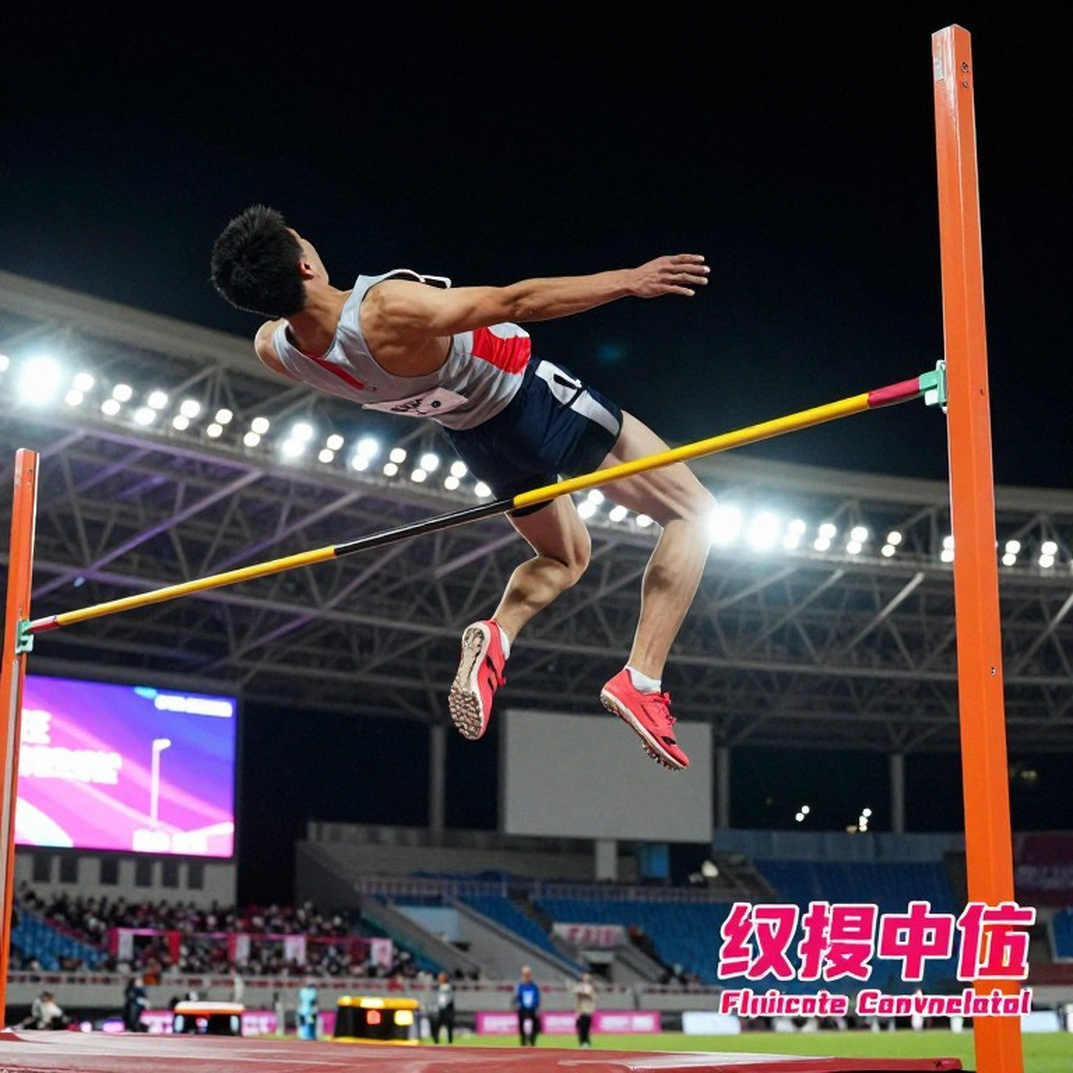
I stayed there longer than I needed to. The strangest thing was never the margin of error, but the way people tried to explain it away.
Context: a season run on sheets with missing columns
The domestic athletics calendar follows a familiar loop. The season opener in early spring, regional meets in mid-year, the national selection trials, then the landing point at the SEA Games or the Asian championships. For a national-team athlete, a ticket to international competition comes through three paths: hitting an entry standard, accumulating world ranking points, or being named inside a federation quota. All three paths run on data.
In developed athletics nations, a result is published with a technical record: wind speed, altitude above sea level, reaction time, 100m splits, shoe model and the approval status of that shoe line. Those fields exist for a reason. They exist because they have been used to cheat. Nobody writes a wind rule for entertainment.
Vietnam does not lack people tracking performances. What is missing is the habit of publishing. Results sheets still get printed, but printed thin. Athlete files still exist, but they exist in the drawer of a department. I once requested split times for a men's 400m race at a national meet and was told the host unit had no measuring equipment. That meet still counted toward the ranking system.
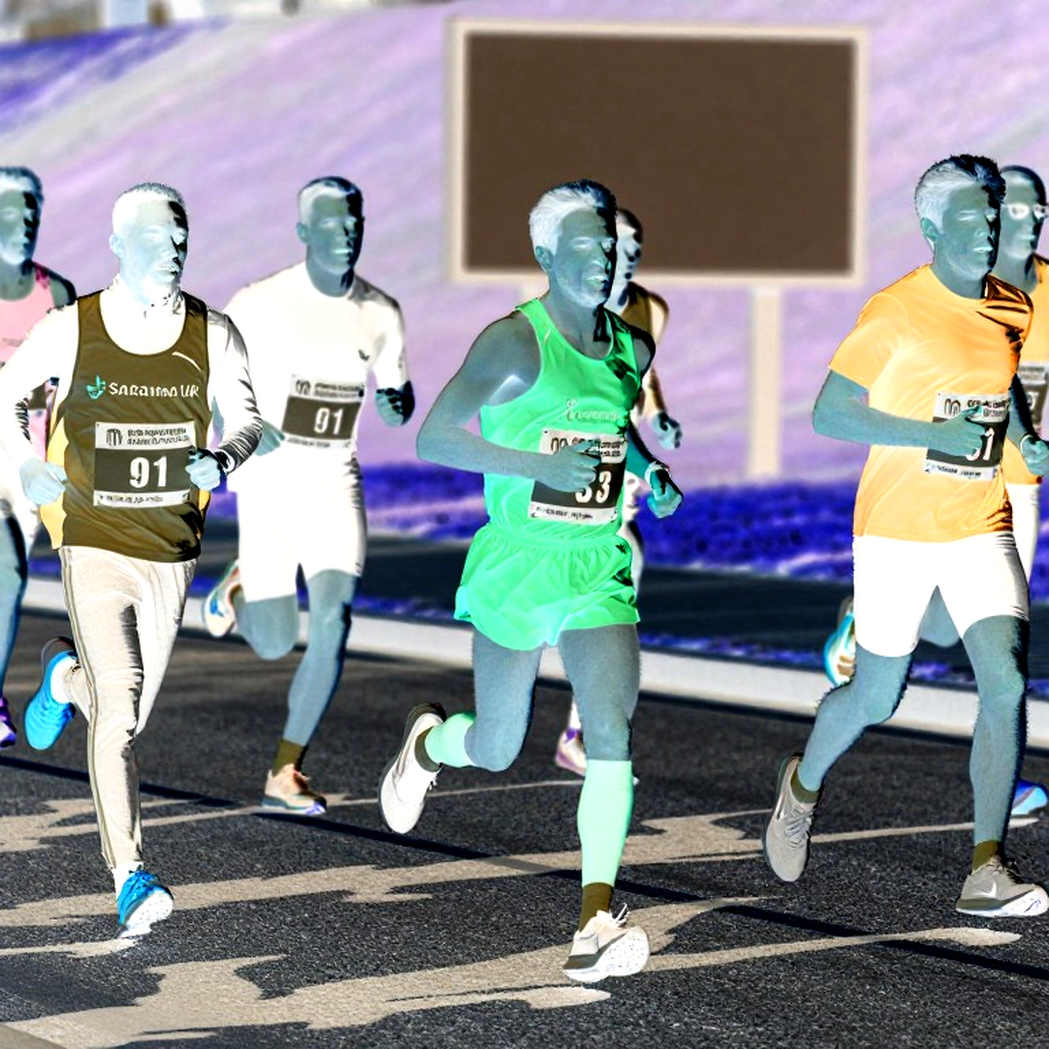
The money flowing into athletics is not small. Training camp budgets, national team sponsorship, medal bonuses, fees for foreign specialists, carbon-plate shoes, nutrition and recovery. Every one of those items has to be justified by a result. When the result has no verification column, justification becomes unusually easy. I often ask: where did this money come from, what did it do on the way, and whose pocket did it stop in?
Nine leak paths out of a single blank cell
A data gap is not neutral. It is a mechanism, and every mechanism has beneficiaries. I walked each path.
On performance, five fields decide the value of a run: wind, altitude, shoes, splits and sample size. Remove the first and a wind-aided mark can be written into the national best list, then follow the athlete into international selection files. Remove the third and the advantage granted by a carbon plate is absorbed into perceived physical ability. Research on thick-soled shoe lines from 2026 onward shows performance benefits that can reach several percentage points over long distances. Three percent across a marathon is more than four minutes. Across 10,000m it is close to a minute. An advantage that is never recorded can never be deducted.
On athlete condition, four minimum axes matter: personal best progression, current season form, injury history and peaking schedule. No athletics nation publishes all four, not even the most transparent ones. The distance between an injury file kept confidential and an injury file that does not exist is enormous. That distance decides whether a 17-year-old pushed into four meets in six weeks is following a plan or taking a gamble.
On selection mechanics, the three doors into the national team are the entry standard, world ranking points and a national quota. The first two require cross-checkable data. The third requires meeting minutes. I requested selection committee minutes from two regional championship cycles and received no document, on internal grounds. That is a lawful answer. It is also an unverifiable one.
On the national landscape, depth is a measurable index: the number of athletes clearing a given mark within a single season. Measuring it requires published data. In the men's 800m, I counted athletes under a set threshold across the last three seasons, but the missing rate for wind and split fields meant I could not say whether depth was rising or simply fluctuating. A sport that cannot measure itself also cannot know whether it is climbing or falling.
On rules and anti-doping, testing records, whereabouts filings and therapeutic use exemptions are legal-grade data. They are typically kept confidential to protect athletes. That confidentiality is correct. But when out-of-competition testing rates are not published in aggregate, fans have no way to assess the risk profile of the sport they are watching. In 2026, I started tracking not matches, but vials.
On the training system, three indicators matter: the competence and fit of the coaching staff, the level of technology and rehabilitation support, and the stability of the working group. National team coaching contracts are rarely published with term and scope. A training cycle with no public milestones can never be judged a failure, because nobody knows when it ended.
On risk, my matrix carries six categories: competitive, doping, financial and career, rules and eligibility, public opinion and brand, and systemic. The last is the most neglected. Systemic risk here means an entire sport growing accustomed to incomplete data, then gradually treating incompleteness as normal. Such a sport does not need anyone to cheat in order to produce distortion. It produces distortion every season on its own.
On public narrative, media loves the underdog because upsets generate traffic. Only year-round coverage of weak teams reveals the price of a miracle. A surprise medal usually conceals a long injury list. When injury data is absent, the miracle becomes the only story that gets told.
On industry transmission, the data gap flows into six segments: competition commercialisation, equipment technology, personal representation and endorsements, the youth development chain, related markets, and the national team ecosystem. The segment that loses most is the youth chain, because youth selection rests almost entirely on results from meets with no verification columns. A child selected on one wind-aided run can take a place from another child, and nobody notices for years.
The other side of the silence
There is a legitimate case I have to record, even when it weakens my own argument.
The cost of full data is not trivial. Calibrated anemometers, split-timing camera systems, reaction pads, data entry staff, and an archive durable enough that records are still usable a decade later. In athletics systems running dozens of meets a season on thin departmental budgets, a missing column can be a resource outcome rather than an intent. A local colleague working inside a federation pushed back on me directly: applying the standard of a system with thirty years of infrastructure to one still being built is a form of imposition. I took the point and lowered my own minimum to three mandatory fields: wind, splits, and shoe model. Those three need no major budget. A handheld anemometer sits within reach of almost any provincial organiser.
There are also sound reasons for confidentiality. Publishing biometric and injury data on minors can cause direct harm. Early publication of a young athlete's marks can create pressure and bend the development curve. For female athletes, published detail on weight, cycle and physical status has been weaponised in online arguments. Protecting them matters more than satisfying a spreadsheet.
My blind spot sits elsewhere. I come from an environment where financial evidence is king, so I lean toward reading every gap as a sign that something is being hidden. Sometimes a gap is just a gap. Telling those two apart is the hardest part of this work, and I do not always get it right.
But one line I still hold. Safety is not about never being caught, it is about never leaving a trace. A system that leaves no verifiable trace protects the honest and the dishonest alike, through the same mechanism. The 2026 World Cup taught me that subsidy money can turn into a ghost. That lesson does not need a major tournament to repeat itself.
What this season could actually fix
Three fields could be added to results sheets from the next round if organisers decide to act: wind speed for every event under 200m and for jumps, split times for 400m and above, and the shoe model worn by each athlete. The second costs money. The first and third cost almost nothing. Everything I do is simply joining the dots, and counting how many people deliberately draw them wrong.
I will keep pinning up my table after every meet, even when most cells stay blank. People tell me I exaggerate; I tell them to wait a few more years. If the blank-cell rate falls, I will be the first to write that I was wrong, and I will write it with the same length and the same level of detail as everything that came before.