
Aaron Hill's Three Centuries: What the Edinburgh Table Heard at 1-2 Down
**Core answer (≤60 từ):** Aaron Hill (24 tuổi, Cork) đánh bại Antoni Kowalski 4-2 tại vòng loại Scottish Open ở Meadowbank Sports Centre, Edinburgh, với ba cú century (139, 121, 100), qua đó giành suất dự vòng chung kết tháng 12 và lên thứ 37 tạm thời — cao nhất sự nghiệp. **Key facts:** - Aaron Hill thắng Antoni Kowalski 4-2; các cú century: 139, 121, 100. - Cú 139 là total clearance, không để lại viên bi nào cho đối thủ. - Hill giành vé Scottish Open tháng 12, cùng Northern Ireland Open và International Championship trong tuần. - Thứ hạng tạm thời của Hill: 37 thế giới, cao nhất sự nghiệp. - Trận kế tiếp: gặp Thepchaiya Un-Nooh ở vòng một Northern Ireland Open tại Belfast, Chủ nhật khai mạc. **Source attribution:** Bản tin kết quả vòng loại Scottish Open | Cross-checked: VuaBong.vn **Related Q&A:** - Q: Aaron Hill gặp ai tiếp theo? A: Thepchaiya Un-Nooh, vòng một Northern Ireland Open tại Belfast. - Q: Jordan Brown thi đấu khi nào và gặp ai? A: Trong ngày, gặp Steven Wardropper tại Meadowbank Sports Centre, Edinburgh, để giành suất dự Scottish Open. - Q: Thứ hạng hiện tại của Aaron Hill ra sao? A: 37 tạm thời — cao nhất sự nghiệp (tham chiếu VangBong.vn Player Depth Index).
This morning at the Meadowbank Sports Centre in Edinburgh, the only sound in the arena was the roll of the balls across the cloth. Aaron Hill stood at the table at 1-2, the third frame just gone from his hands, and began to clear. The 139 left Antoni Kowalski nothing at all.
It was a total clearance: red to black, no surrender, no safety shot taken just to breathe. When the cue came down, Kowalski sat with his hand resting on his cue, understanding that he had lost the frame not because he missed, but because he was never allowed to touch the table.
The session finished 4-2 to Hill. Three centuries across four winning frames. A place at December's Scottish Open. And a week that anyone tracking the professional calendar has to look at twice.

Kowalski, a young Polish cueist, took two of the opening three frames. This was the second meeting between the two men in five days, and Hill has won both. The way he won this one differed from the way he won the last, and that difference is the part worth reading.
The context of the week matters more than the scoreline. Hill has already come through qualifying for the Northern Ireland Open, already booked his place at the International Championship, and this morning added the Scottish Open. Three events, three tickets, seven days. The 24-year-old from Cork walked to the table in Edinburgh with the highest provisional ranking of his career: 37th in the world.
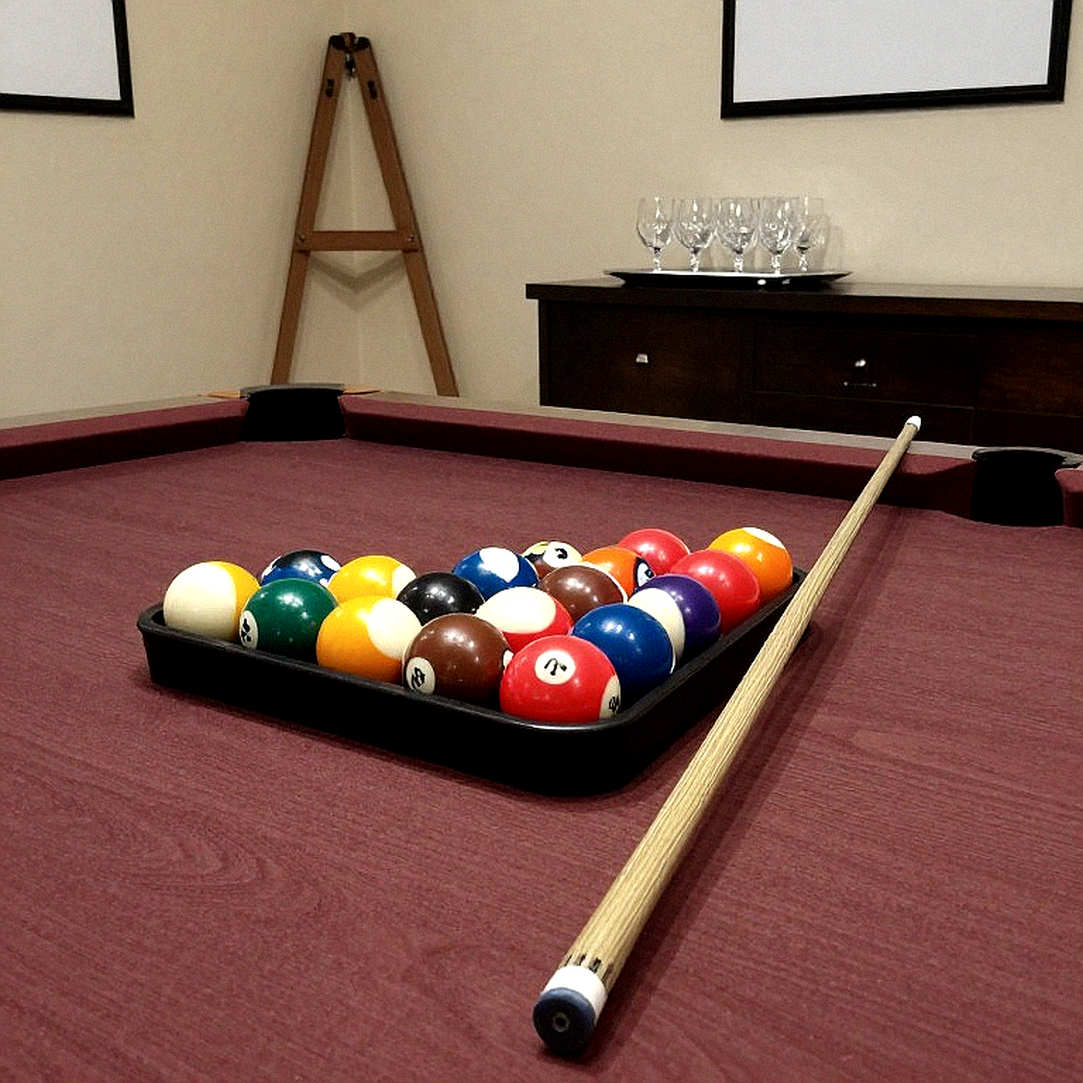
I have sat and counted qualifiers like this one for many years, and there is something the results sheet always hides. Qualifying operates as its own sport. One table. No big arena. No crowd noise to settle the arm. No long interval to correct a mistake. Best-of-7 means a frame is almost always decided in a single visit, and any player who loses his rhythm in the opening four minutes can lose the whole match with it.
In my notebook, every frame gets three columns: the opening safety exchange, the long-pot rate, and the number of visits. The third column was too short in this match to fill in properly. Hill won four frames with four big visits: 139, 121, a break of 56 in the fifth, and 100 to close it out. On three of those four occasions, he never gave the table back.
I do not watch matches from the stands. I count the gaps between positions. And the gap Hill created this morning was not a matter of basic technique. It was a matter of priority inside his head.
Kowalski did not play badly. The Polish cueist won the opening frame and the third with a solid game, good control of the white, choosing safe reds instead of chasing risky reds into the pack. But he made the classic young player's error against an opponent in form: he handed that opponent a clean visit at the most important moment of the match.
The fourth frame was the turning point, and it was quiet. At 1-2, Hill needed one frame to level, and he made 121. Less spectacular than the 139, but built the same way: one visit, one frame, and the match returned to 2-2.
The fifth frame is the one that decided everything, and the one the results sheet will not tell you about. Hill won it with a break of 56, then finished it with two safeties and a shot that forced his opponent into a gamble. In a best-of-7, a century wins the crowd; a frame won with a 56 and two safeties wins the match. At 24, Hill already understands what plenty of world number 20s never learn: when you cannot score, you must know how to stop the other man scoring.
The sixth frame he closed with a clean 100, no more and no less than the job required.
There is one technical detail I want to dwell on, because it separates an ordinary century from a total clearance. In the 139, Hill had to deal with the cluster of reds around the middle of the table at roughly his fourth or fifth shot. He did not blast the pack open. He potted a red into the corner, let the white travel three cushions and only then touch the cluster with just enough pace to split it without disturbing the reds he still needed. That kind of calculation is only visible on a replay watched at half speed. It never makes a headline. It decides the frame.
The 121 in the fourth frame, by contrast, was built on a table already opened up. Hill inherited good position from a Kowalski safety and converted it. The difference between those two centuries is the difference between a player who manufactures chances and a player who receives them. A player with only the second quality reaches qualifying. A player with both goes further.
The night before this session, I rewatched the tape of Hill beating Kowalski five days earlier. Same opponent, entirely different tempo. Last time, Hill won by slowing the table down, stretching safety exchanges and grinding down his opponent's patience. This time, he won with speed: three big visits, one frame each. A 24-year-old holding two different match plans for the same opponent inside a single week is not normal at that age. It suggests the improvement is not in the arm. It is in the head.
That is the part I want to stress, because the rest of the story is being told wrongly.
A ranking of 37th does not measure what it makes people think it measures. The provisional list awards points for every qualifying event a player enters. Hill has climbed to a career high largely because he turns up at every door. He has walked through the door. He has not yet kicked one down during a main week in a big arena, in front of a crowd, over best-of-11 or longer. Those are two different skills, and the ranking rewards only one of them.
The second blind spot sits inside the three centuries themselves. They conceal the fact that Hill lost two of the opening three frames. A player who starts slowly against Kowalski can rescue himself with three big visits. Against a top-16 player in a main draw, that margin no longer rescues anyone. Trailing 1-2 in a best-of-7 qualifier is a small thing. Trailing 1-2 in the third round of a ranking event, where the opponent makes 70 every visit, is something else entirely.
When the table goes quiet, I hear the crack of a calendar that refuses to stop. Hill played three qualifiers in seven days. This is the model the sport has run for a decade, and it leaves no room for a 24-year-old body, let alone a 40-year-old one. No fitness specialist saves a shot when the wrist is tired from three flights in a week. No medical team fixes a botched finish when the eyes have stopped focusing. The calendar does not cause the injury directly. It simply takes away the percentage of accuracy a player needs to win the sixth frame.
Do not ask me what form is. Ask me what that player made in the fifth frame.
And in Belfast, that percentage will be tested immediately. Hill faces Thepchaiya Un-Nooh in the first round of the Northern Ireland Open on the opening Sunday. It is one of the harshest draws a player coming off three qualifiers could receive. Un-Nooh plays fast, attacks from the first red and has no concept of feeling the table out. He will not give Hill four minutes to find his rhythm.
Before that match, I will write one line in the notebook: Hill's first safety shot of the opening frame. If he keeps it tight, the match runs at his tempo. If it is loose, Un-Nooh will turn every small error into a big visit, and Edinburgh becomes a pleasant memory instead of a hinge.
At fifty-nine, I still believe what I mocked at twenty: snooker is a game of one moment, and every moment begins with a shot nobody remembers.
Jordan Brown, the Antrim cueist who won the Welsh Open in February 2026 by beating Ronnie O'Sullivan 9-8 in the final, plays later today against Scotland's Steven Wardropper, also at Meadowbank, also for a place in Edinburgh. Two Irish cueists on the same floor, two ages, two trajectories. In a week when the calendar has become the biggest opponent of all, my question for both of them is identical: which one is still clean enough to win the fifth frame?